Rethinking the University Library as a Digital Product
Atmalib
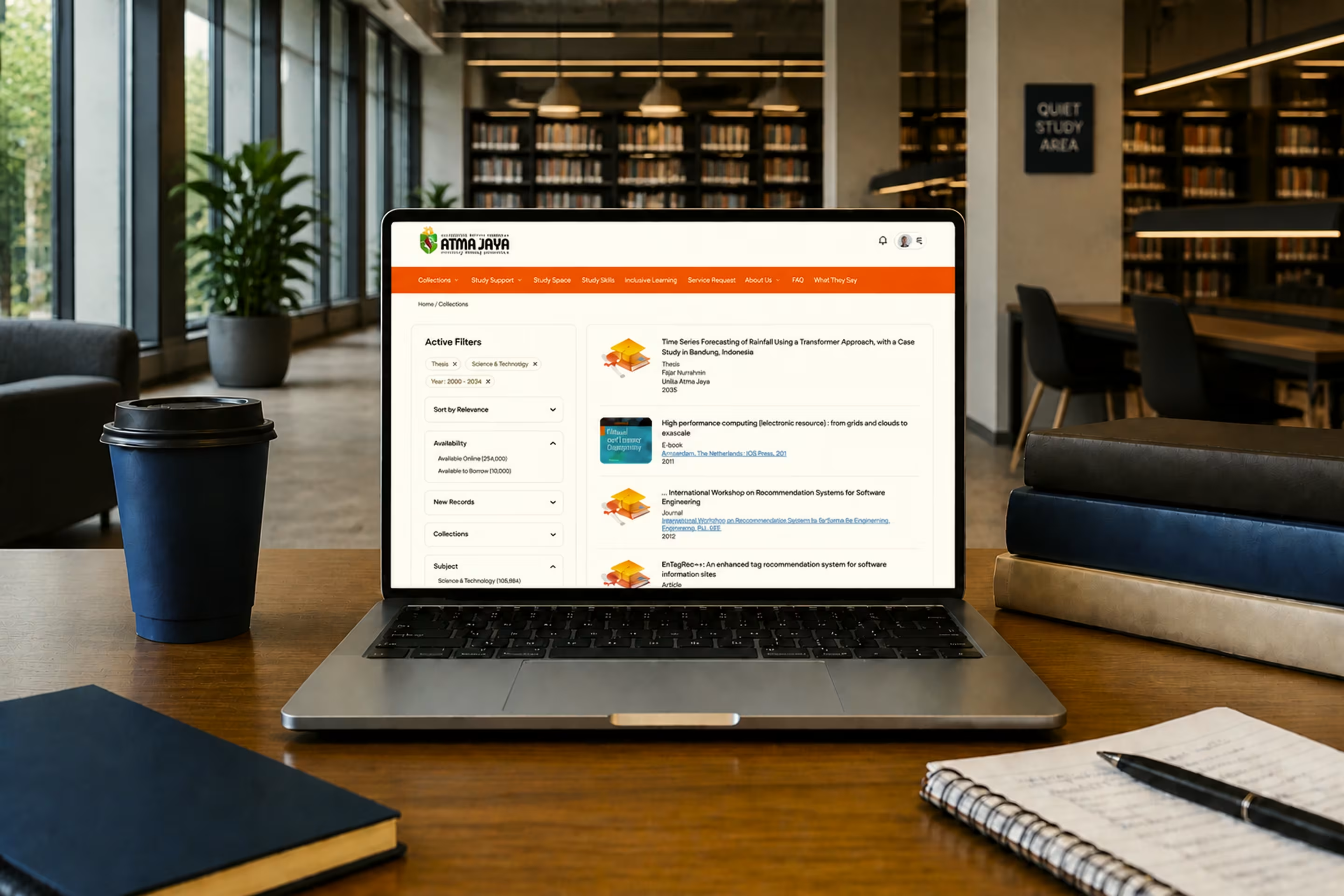
Atmalib is the digital library platform for Unika Atma Jaya. It serves two audiences at once: the public, who can discover and explore the university's thesis and research collections without an account, and the campus community (students, lecturers, and staff), who can borrow books, arrange delivery or pickup across three branches, track loans, and settle fines in one place.
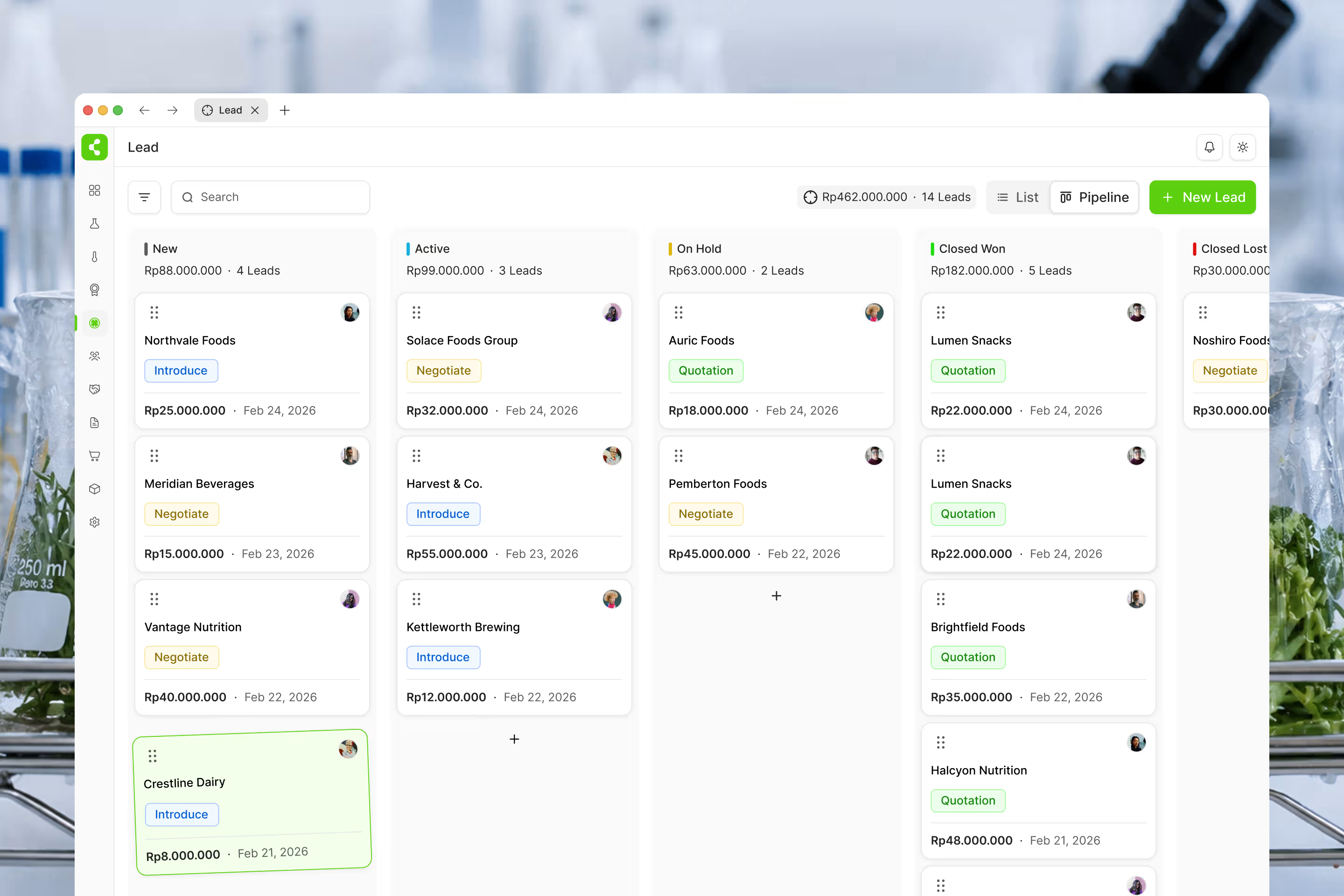
We designed the full experience, from the first public search to the moment a student pays a fine and returns a book. The goal wasn't to digitize a library. It was to make borrowing a book feel as considered as any modern consumer product.
Key Challenge
University libraries carry a particular kind of complexity. They aren't just catalogs. They're logistics operations, membership systems, and archives all wearing the same coat. Atma Jaya's library runs across three physical branches, lends both circulating and reference-only stock, ships books between campuses, and holds a large research collection that the public has a legitimate reason to access.The brief surfaced a few tensions we needed to design around:
- Two audiences, one front door. An unregistered visitor researching a thesis and a logged-in student borrowing a novel are fundamentally different users, but they arrive at the same homepage and search the same catalog. The experience had to stay open and useful for the public while unlocking a deeper, account-driven world for members.
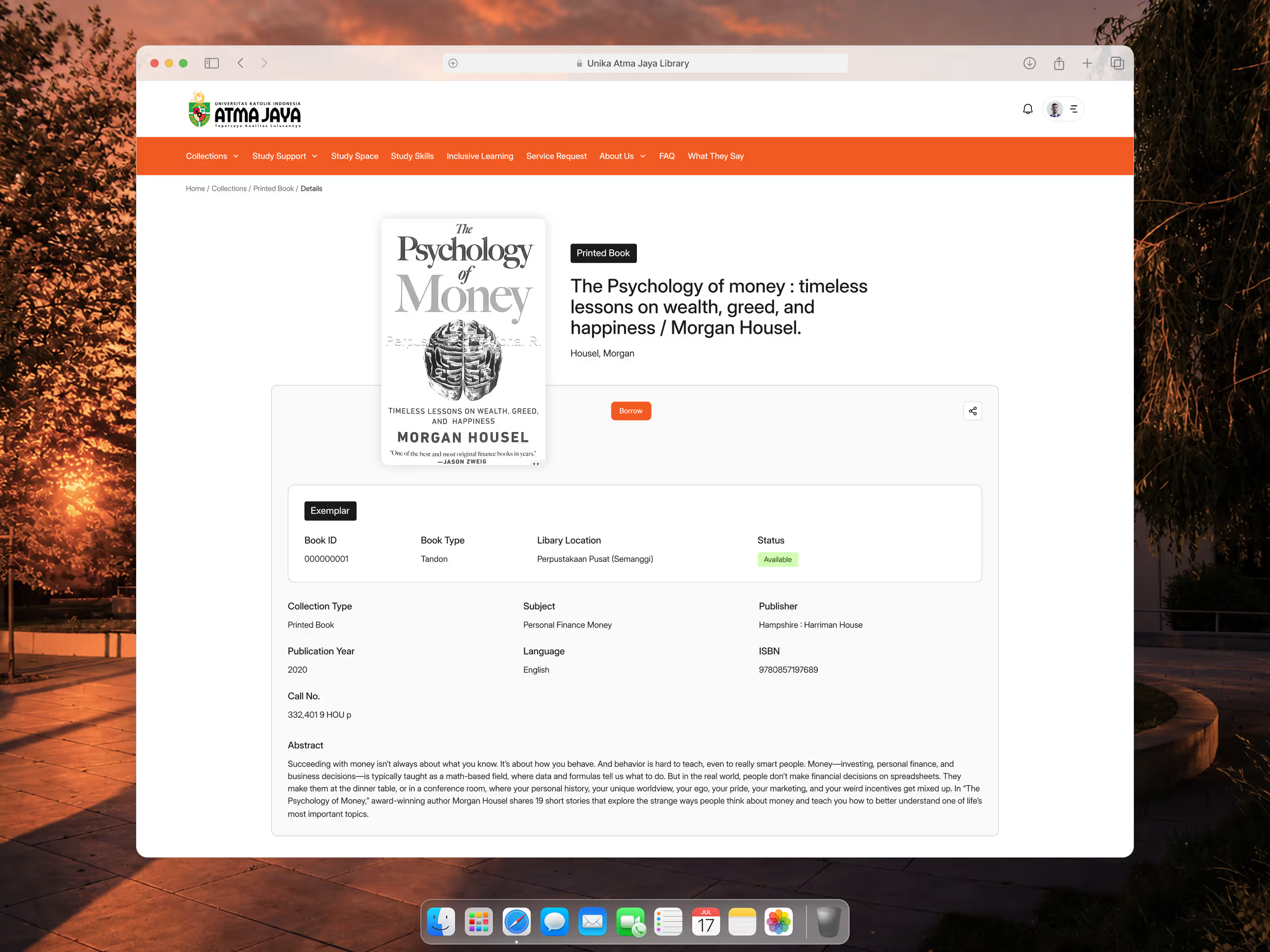
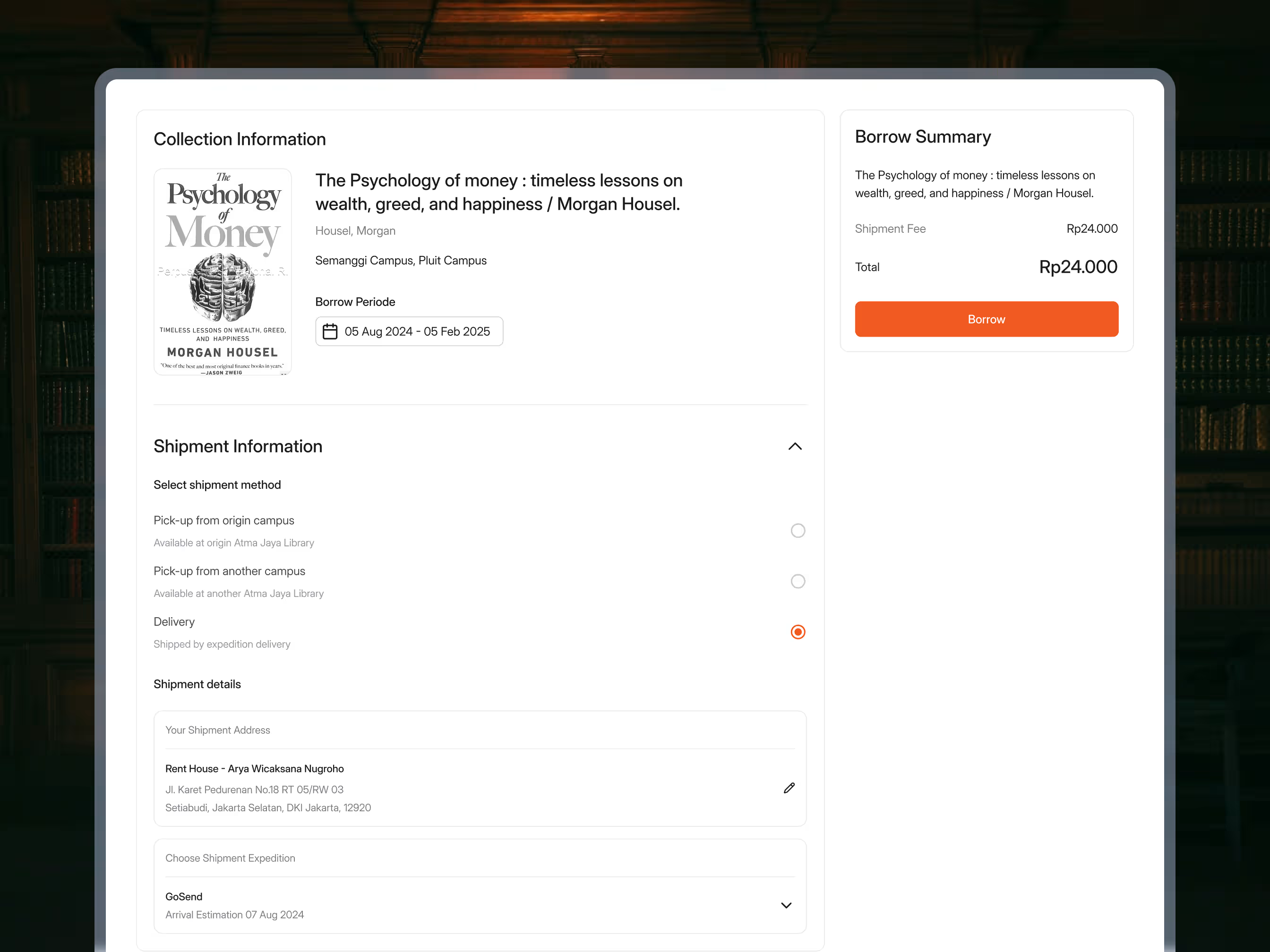
- Physical logistics inside a digital flow. Borrowing a book isn't a single click here. It involves choosing a pickup branch or a delivery method, confirming a shipping address, understanding a shipment fee, and picking a loan period. That's checkout-flow complexity, and it deserved checkout-flow clarity.
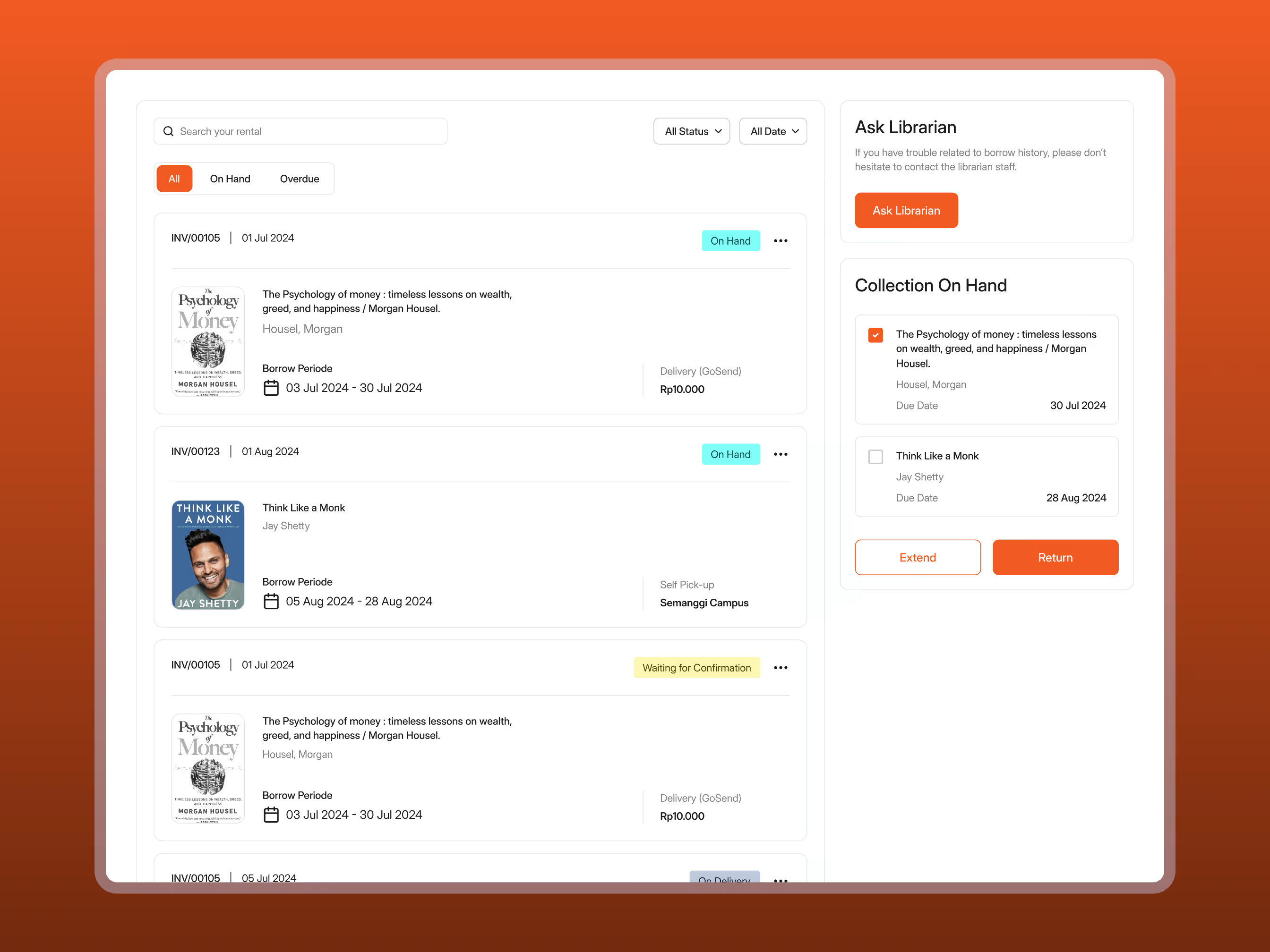
- A lifecycle, not a transaction. A loan has a long tail: reserved, ready to pick up, on delivery, on hand, returned, overdue, lost. Members needed a single place to see where every book stands and what they owe, without drowning in status labels.
- A category that defaults to blue. Library and academic software overwhelmingly reaches for navy and institutional blue. Atma Jaya deserved an identity that felt like its library, not a generic one.
What We Did
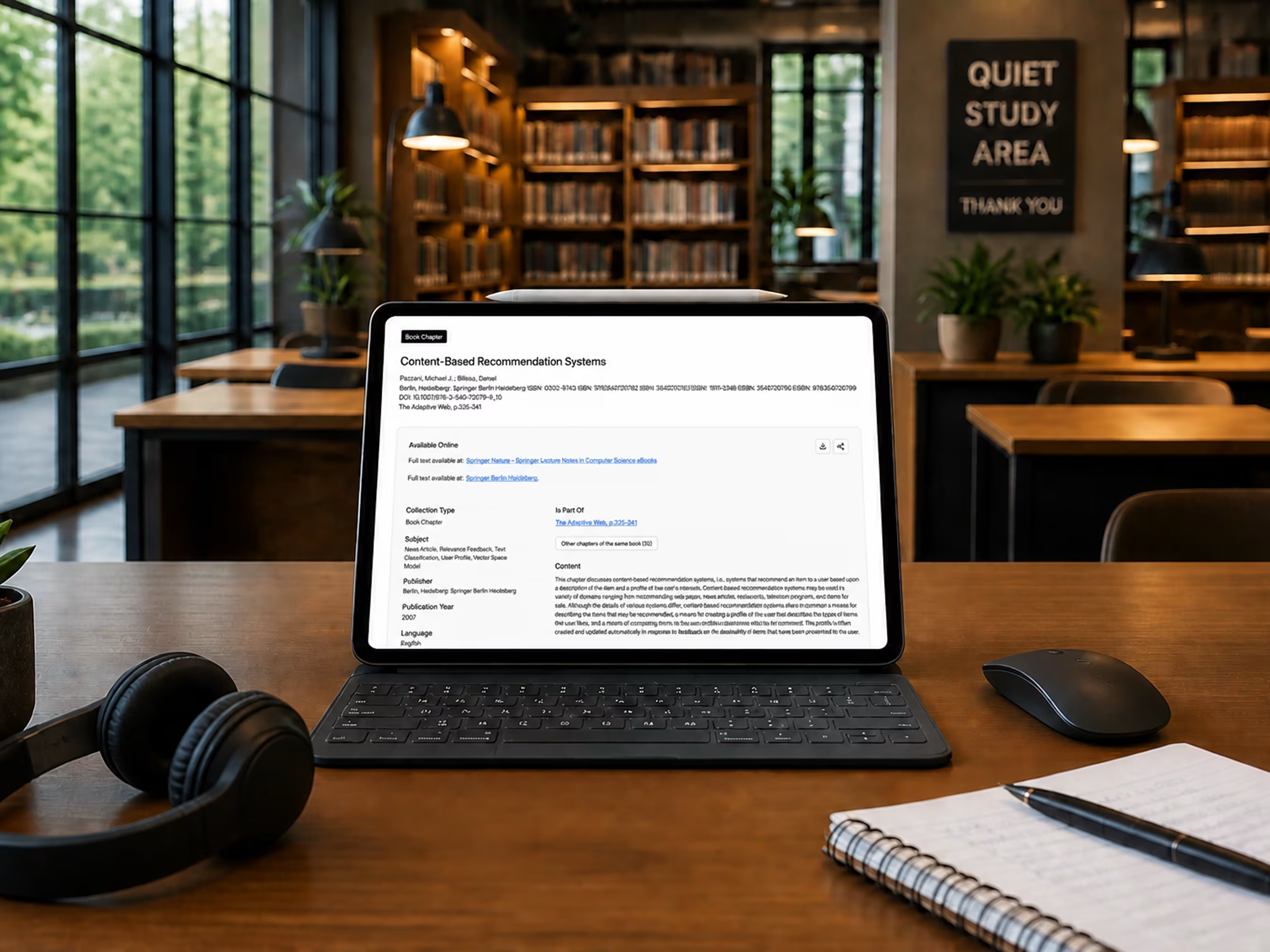
- One catalog, two levels of access. The public can search and filter the full archive without an account. Logging in adds borrowing, history, and fines to the same catalog instead of sending members somewhere else.
- Borrowing designed like a checkout. Clear sections, a three-way pickup-or-delivery choice, and a running cost summary make the loan flow transparent from start to finish.
- A loan tracker that stays legible. Borrow History shows every loan across its lifecycle, filterable and colour-coded by status, so members always know what needs attention.
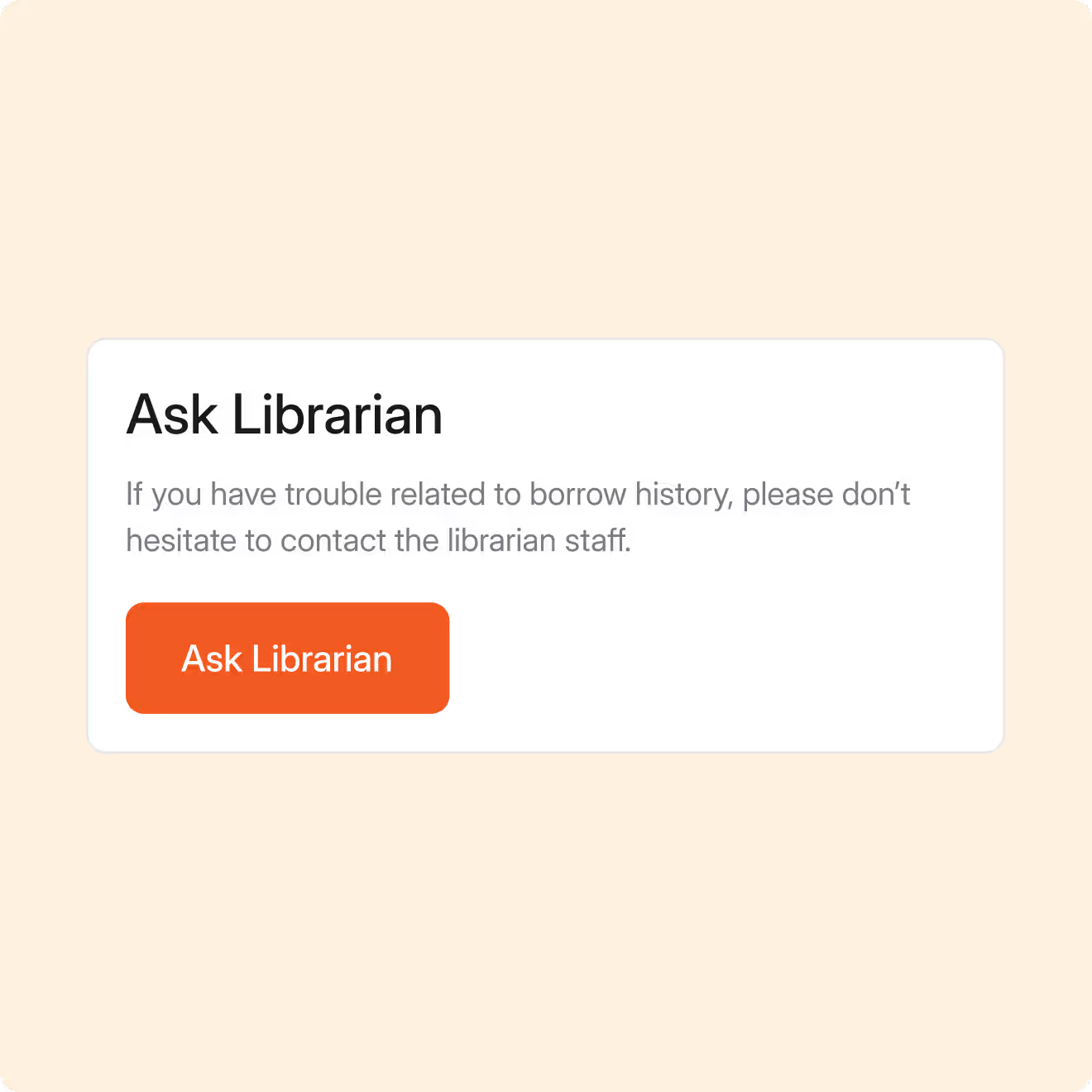
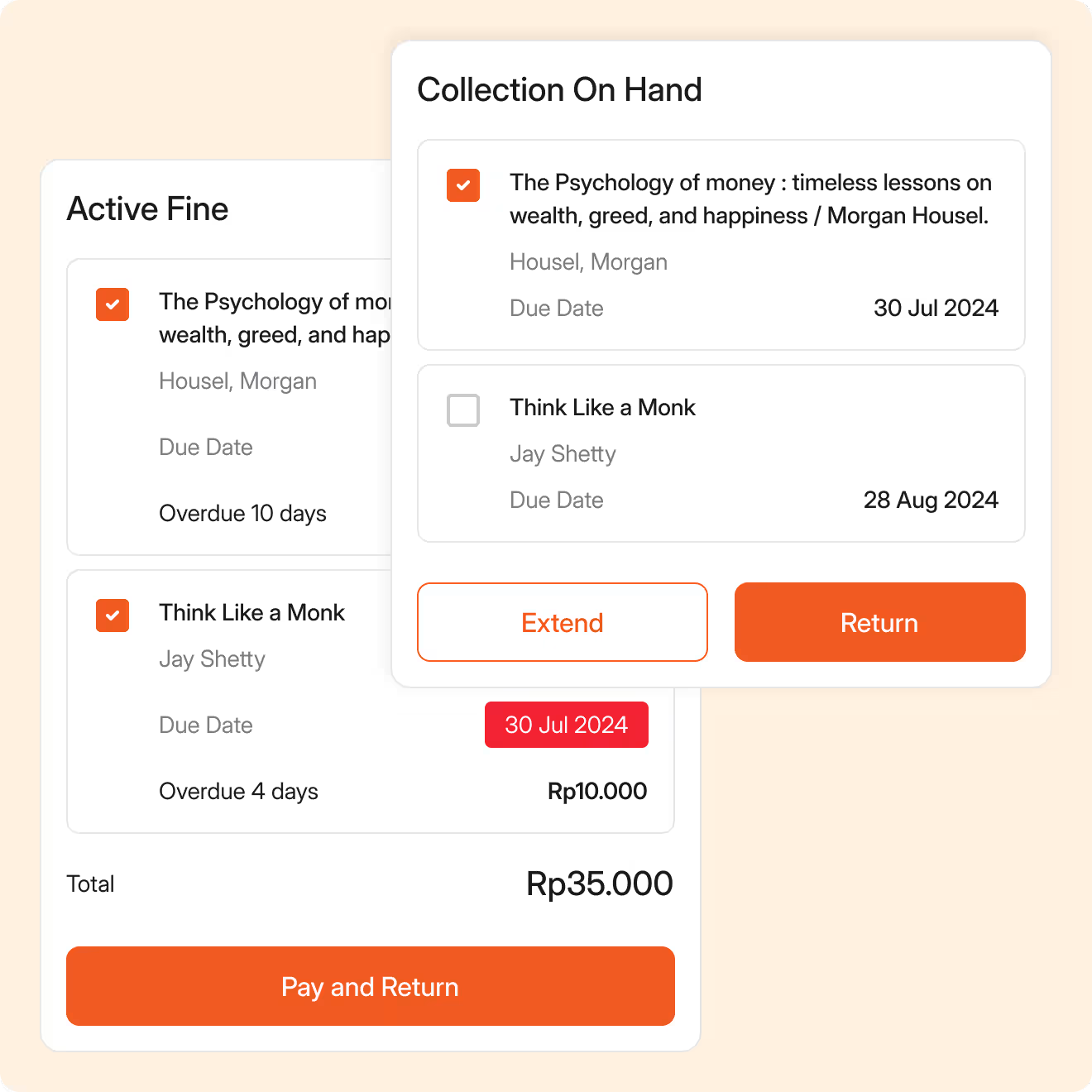
- Side panels that adapt to the task. The panel beside the list shifts with the view, from extend/return actions to an itemised fine summary with a single Pay and Return button.
Credits
UI/UX Designer